Realizing your spouse or loved one is abusing drugs and alcohol can be heartbreaking. Not only is this reality anxiety-inducing but it can destroy a once stable and secure relationship. Additionally, the unpredictability and expectations placed on you to stay, heal, or help your partner with an addiction are challenging.
Suddenly, images of comfort and joy a loved one once brought can shift to one of mistrust, anger, and resentment. Because of this, you can feel hopeless and alone in a discovery of their addiction.
You may not know how to start when wondering how to help your partner with addiction. Fortunately, tools like support groups, holding space, and them attending rehab are available to make this process more manageable.


The impact of addiction on loved ones can be severe and traumatic. Seeing your loved one suffer and not knowing what to do to help can trigger difficult emotions. It can also change the dynamics of the relationship.
Additionally, a loved one may not understand the complexities of addiction. Someone may have a dependence or tolerance, and may not even show characteristics of someone who is addicted.
Understanding the signs of your partner’s addiction to gauge if it’s severe is a critical first step in the recovery process.
Knowing which level a loved one is at can help you learn what their needs are. Then, you can better understand how to help your partner with addiction.
All levels of drug and alcohol addiction need help. These signs include, but are not limited to:
These traits negatively impact a relationship. Fortunately, directing them to our inpatient rehab for men can provide gender-specific resources for recovery.
When wondering how to help your partner with addiction, there may be obstacles. It’s not uncommon for them to be in denial. Husbands may be ashamed to admit there is a problem. Typically, downplaying and addiction to save face can also occur.
Oftentimes, some men to want to protect their vulnerability and have trouble admitting they need help. Much of this is due to social and gender expectations and conditioning for men to remain strong. Thus, this is one reason why having compassion and patience are so helpful when trying to get a spouse to admit they are struggling and need rehab.
Although you want to your their partner with addiction, you can’t force them into rehab. However, you can encourage them to value their health and marriage enough to get the care they need. For instance, when approaching them with a loved one, this looks like initiating a non-judgmental conversation.
A person married to an addict can express their concerns to try to help, but not force them to go to rehab. Remaining firm while expressing boundaries is another way to guide someone to rehab. Boundaries protect the loved one of the addict as they set firm expectations with clarity. Expressing emotions and educating them on the benefits of rehab can also encourage rehab attendance.
Using examples of how their addiction is impacting the family–either directly or indirectly–affects finances, and the trust in the marriage may serve as a motivating force to get professional detox.
Educating one’s self on addiction, its effects and how it deeply impacts someone can create a bond when encouraging detox. The partner of an addict can connect and possibly have more of an impact. It may even save the relationship if the spouse feels more understood.
As a result, they can prepare themselves for pushback by using statistics and real-life examples to strengthen their points.
As a result, the spouse of an addict trying to help them can focus on their concerns and be heard without judging them. Reading websites or books, and listening to podcasts can provide information needed to understand what it’s like.
Once someone who talked to their loved one about attending rehab, they can still offer support to them in the process. For example, a person looking to help their loved one with an addiction can go to workshops or support groups on campus.
Support groups offer realistic and relatable experiences from addicts and their spouses. This will help someone feel heard and seen as they express their experiences. Attending support groups also creates fellowships. The most notable ones are Al-Anon, At-Teen, and Nar-Anon.
Additionally, Spirit Mountain also offers a Family Behavior Therapy program, which addresses family conflict benefitting both kids and adults. Offering emotional support and being a source of compassion and love can help provide an understanding environment. On the other hand, judging someone or giving them ultimatums can create emotional distance.
It’s also wise for a spouse of an addict to practice self-care by getting the needed sleep, hydration, and spiritual and mental support needed at this time. A final option can be hiring an addiction interventionist to help bridge the gap between the loved one with an addiction and their spouse.
Researching rehab options is a viable step to ensure quality treatment to help your partner with addiction. Initially, at-home detoxes can be tempting as they offer cheaper alternatives and seemingly rapid recovery.
However, the individual doesn’t have the needed professional supervision that helps both the emotional and physical withdrawal symptoms needing support.
Consequently, At-home detox may put a strain on you when learning how to help your partner with addiction if they are experiencing depression or anxiety from withdrawal.
Nevertheless, professional detox offers medication and therapy ideal for recovery without putting that pressure on the spouse.
Fortunately, 3 types of rehabs are available for detox:
Inpatient allows patients to stay on campus and receive intensive care, around the clock. Programs are customized to fit the needs of each patient but can last from 30 days to a few months. Aa a result of attending, a spouse would access all amenities, support groups, nutritional meals and unique therapies we offer.
Next, is Intensive Outpatient rehab. This a Co-Ed program allows patients to stay home or on campus (3 hours a day, 3 days a week). Additionally, they receive mind, body, and spiritual addiction treatment. Hence, this is ideal for patients who want flexibility or have commitments they need to tend to.
Lastly, Our Day Treatment program offers mental health and addiction treatment for individuals not needing 24-hour hands on support. For example, this offers a cost-effective alternative with individualized care, a flexible schedule and is best for those with chronic conditions.
Start Today
Spirit Mountain offers several layers of care, with evidence treatment and a knowledgeable staff. We ensure each patient heals on an emotional, spiritual and mental level, and offer support for spouses of addicts. To add, major insurance plans are accepted to support treatment goals. We understand how to help your partner with addiction. Don’t let fear and doubt stop you from getting your loved one the care they need.
Contact our admissions team to get started, and transform your life and relationship.

Spirit Mountain Recovery does much of its recovery work out in the wilderness as we have found it to be the most recuperative environment to immerse our clients. The spacious and awe-inspiring beauty of the mountains and water is transformative. It helps clients focus their attention on the now, this moment.


Spirit Mountain Recovery’s Integrated Treatment Programs feature a unique combination of evidence-based clinical treatment, psychoeducation and nature-based experiential activities. Our clients frequently say that they feel more at home with the recovery process at Spirit Mountain than at other treatment centers.
Spirit Mountain Recovery’s esteemed medical, psychiatric, clinical, and extremely knowledgeable Recovered Peer Support Staff, deliver an extraordinarily high level of personalized care to every client. No better guide than a someone who has been in the throes of a life-threatening condition like substance abuse and addiction and have found the keys to sustained long-term recovery. An industry leading Client to Professional Staff Ratio of 2:1 makes sure that our clients get all the personal attention they deserve and need.
Testimonials
The brotherhood of good men that have come together through addiction and recovery has created a unique approach toward spiritual wellness and care. SMR has core values that are built on service to others and a candid approach to recovery that has a deep and lasting change on the men who desire true change and empower them to overcome the disease of addiction. P.L.


 Trustindex verifies that the original source of the review is Google.
 Trustindex verifies that the original source of the review is Google.
 Trustindex verifies that the original source of the review is Google.
 Trustindex verifies that the original source of the review is Google.
 Trustindex verifies that the original source of the review is Google.
 Trustindex verifies that the original source of the review is Google.
 Trustindex verifies that the original source of the review is Google.
 Trustindex verifies that the original source of the review is Google.
 Trustindex verifies that the original source of the review is Google.
Unique to Spirit Mountain Recovery is its Dual Diagnosis treatment capabilities – not only does its medical and clinical staff assess, diagnose and treat a variety of Substance Use Disorders, but also Co-Occurring Mental Health Disorders that may be triggering an individual’s substance abuse.
State-of-the-Art Evidence-Based Medical and Clinical treatment modalities such as Cognitive Behavioral Therapy (CBT), Dialectic Behavioral Therapy (DBT), Motivational Interviewing (MI) and Trauma -Informed Care (TIC). Mindfulness-Based Recovery regimens such as Meditation, Yoga and Focused Breathing. Each week, there are 1-2 hours of individual therapy, and 14 hours clinical group therapy.
We offer a wide variety of outdoor experiential activities such as hiking, camping, fishing, pickleball, golf, snowboarding, skiing, ice skating, basketball and bowling. Spirit Mountain’s Residential Treatment Center has a weight room, elliptical bike, treadmill, corner gym and rowing machine available at anytime.
All clients at Spirit Mountain Recovery are free to choose their own personal plan of recovery. Spirit Mountain Recovery is not a 12-step program, but if you would like to use the 12-Step model in your recovery, we are here to assist you. In addition, our medical, clinical, and experiential evidence-based SMART Recovery Program is available to clients who desire to eliminate or greatly moderate their use of alcohol and drugs. To learn more, please visit our 12-Step blog.

Get In Touch
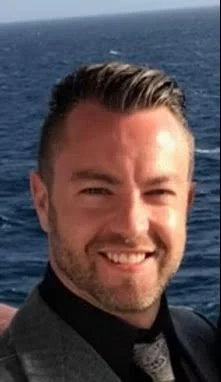
Colby earned his nursing degree from the University of Utah in 2013 and has more than a decade of experience working in diverse healthcare settings including corrections, psychiatry, dialysis, and care for U.S. veterans. He later graduated with honors from the University of South Alabama with a Master of Science in Nursing Practice specializing in mental health and substance use treatment. Colby is trained in medication management and utilizes a range of therapeutic approaches in the treatment of mental health and substance use disorders. He emphasizes a holistic approach to care that considers physical health, mindfulness, nutrition, healthy relationships, and restorative sleep as important components of overall wellbeing.
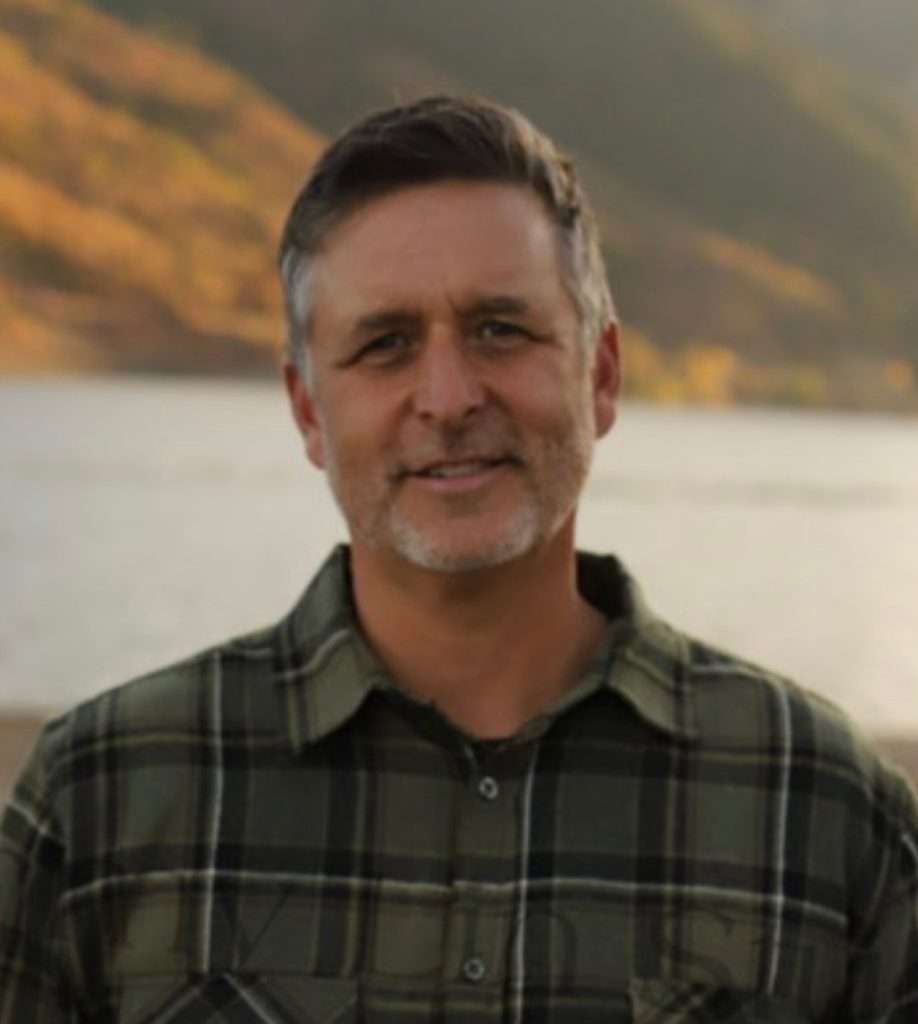
Dan has worked as a licensed therapist, both publicly and privately, in the behavioral health field for the past 20 years. He specializes in the treatment of young adults struggling with anxiety, depression, substance abuse, family discord, Autistic Spectrum Disorders (ASD), relational struggles, and a variety of learning disabilities. Dan utilizes various therapeutic modalities in his practice including EMDR, Cognitive Behavioral Therapy (CBT), Relationship-Based Therapy and Existentialism. He has been a Licensed Clinical Mental Health Counselor since 2009.
Dan in his leisure time is an avid mountain biker, skier, trail runner, and golfer. He has also traveled extensively throughout his life to Nepal, Switzerland, Thailand, Italy and Costa Rica.
They have the best team of staff and doctors on this planet. I am proud to say I am a recovering addict because of their amazing skills and treatment. They have changed my life completely and I could not have done it without them! Thank you for guiding me and paving the path for me to find my true self, and what I am capable of. You are all my family and friends.J.T.