
Sustaining a drug-free life requires more than stopping substance use — it often requires building new routines, interests, and sources of fulfillment. Without meaningful alternatives, old habits can resurface simply because there is nothing in their place.
This is where adventure rehab plays an important role. By introducing structured, engaging activities, recovery programs can help individuals explore new hobbies that support focus, patience, and enjoyment without substances. Approaches such as outdoor adventure rehab with fishing trips offer opportunities to reconnect with nature, develop practical skills, and rediscover satisfaction through healthy experiences.
This article explores why new hobbies are essential for long-term recovery, how adventure-based activities support lifestyle change, and why outdoor experiences like fishing can help individuals build sustainable, substance-free routines.
Why Recovery Requires More Than Abstinence
Abstinence is an important first step in recovery, but long-term stability often depends on what replaces substance use in daily life. Without new interests or structure, individuals may struggle with boredom, restlessness, or a sense of emptiness.
Recovery becomes more sustainable when individuals:
-
establish new routines
-
discover activities that provide meaning and enjoyment
-
build structure into free time
-
reconnect with curiosity and learning
Adventure rehab addresses this need by introducing experiences that engage both the mind and body. These activities help individuals move from simply avoiding substances to actively building a life that feels worth protecting.
How New Hobbies Support Long-Term Sobriety
New hobbies play a critical role in long-term recovery because they help reshape how individuals spend time, manage stress, and experience reward. Substance use often fills gaps related to boredom, stimulation, or emotional regulation. When those gaps remain unaddressed, maintaining sobriety can feel more difficult.
Engaging in hobbies introduces healthy alternatives that support structure and purpose. In adventure rehab, activities are intentionally chosen to encourage focus, patience, and engagement — qualities that align closely with recovery goals.
New hobbies support long-term sobriety by:
-
creating positive routines and structure
-
offering healthy outlets for stress and emotion
-
reinforcing a sense of accomplishment
-
helping individuals reconnect with curiosity and enjoyment
Outdoor-based hobbies, in particular, encourage presence and consistency. When individuals begin to associate fulfillment with activities like fishing, hiking, or learning new skills, sobriety becomes connected to an active, meaningful lifestyle rather than deprivation.
Why Outdoor Adventure Rehab Encourages Engagement
Engagement is a key factor in recovery. When individuals feel interested, motivated, and connected to the recovery process, they are more likely to participate consistently and apply what they learn. Outdoor settings naturally support engagement by offering novelty, movement, and sensory stimulation without overwhelming the nervous system.
In adventure rehab, outdoor activities create opportunities for hands-on learning and presence. Natural environments reduce distractions and encourage individuals to focus on the task at hand, whether it’s navigating a trail, learning a skill, or simply observing surroundings.
Outdoor adventure rehab supports engagement by:
-
encouraging active participation rather than passive observation
-
reducing boredom and restlessness
-
creating shared experiences that build connection
-
supporting focus through movement and environment
Programs that include outdoor adventure rehab with fishing trips add another layer of engagement. Fishing requires patience, attention, and adaptability — qualities that align closely with recovery skills and encourage sustained involvement in the process.
The Role of Fishing Trips in Active Recovery
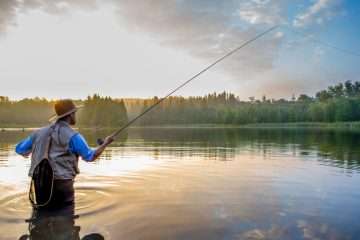
Fishing trips offer a unique blend of calm focus and active engagement, making them a natural fit within adventure-based recovery approaches. Unlike fast-paced or competitive activities, fishing encourages patience, observation, and consistency — skills that are especially valuable in recovery.
In outdoor adventure rehab with fishing trips, the experience itself becomes the teacher. Individuals learn to slow down, pay attention to subtle changes, and stay present even when results are not immediate. This mirrors many of the challenges encountered in recovery, where progress often unfolds gradually rather than all at once.
Fishing trips support active recovery by:
-
encouraging sustained attention and mindfulness
-
reinforcing patience and emotional regulation
-
offering a sense of accomplishment through skill development
-
providing calm, structured time away from daily stressors
The rhythm of casting, waiting, and adjusting creates space for reflection without pressure. Over time, these experiences help individuals associate enjoyment and fulfillment with substance-free activities, reinforcing the idea that recovery can include moments of peace, focus, and genuine satisfaction.
Building a Drug-Free Lifestyle Through Meaningful Activities
Long-term recovery is often supported by more than avoiding substances — it’s shaped by the life someone builds in their place. Meaningful activities help individuals create structure, purpose, and enjoyment that reinforce a drug-free lifestyle.
In adventure rehab, activities are not chosen for intensity or escape, but for their ability to support consistency, focus, and personal growth. Hobbies like fishing encourage individuals to invest time and energy into skills that reward patience and attention rather than instant gratification.
Meaningful activities support a drug-free lifestyle by:
-
creating healthy routines and structure
-
offering constructive ways to manage stress
-
reinforcing a sense of identity beyond substance use
-
providing opportunities for growth and mastery
When individuals begin to see themselves as learners, outdoorsmen, or hobbyists rather than defined by addiction, recovery becomes part of a broader life shift. Outdoor adventure rehab with fishing trips supports this transition by helping individuals reconnect with interests that feel grounding, achievable, and sustainable.
Sustaining Recovery Through Active, Purposeful Living
Sustaining a drug-free life often depends on how individuals spend their time, manage stress, and find fulfillment in everyday routines. New hobbies and outdoor activities offer opportunities to build structure, patience, and enjoyment without substances.
Adventure rehab emphasizes this lifestyle-based approach by encouraging individuals to explore meaningful activities that support focus, engagement, and consistency. Experiences such as fishing trips provide space to slow down, practice presence, and rediscover satisfaction through skill-building and connection to the outdoors.
When recovery includes activities that feel purposeful and rewarding, sobriety becomes less about restriction and more about expansion. Outdoor adventure rehab with fishing trips supports this shift by helping individuals build a balanced, active lifestyle that reinforces long-term recovery through experience.
Learning More About Adventure-Based Recovery Approaches
For those interested in how outdoor activities and new hobbies support recovery, learning more about adventure-based treatment models can offer insight into approaches that emphasize engagement, routine, and sustainable lifestyle change.