
Where Environment and Equine-Assisted Therapy Intersect
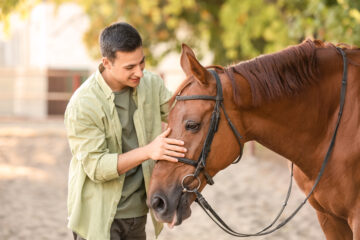
Utah’s dramatic landscape — from soaring peaks to wide open valleys — offers more than natural beauty. For individuals in recovery, it provides a therapeutic setting that supports calm, presence, and engagement. When residential treatment programs integrate this environment with equine-assisted therapy, the result is an experiential approach rooted in nature, regulation, and embodied learning.
In this article, we explore how Utah’s landscape supports equine-assisted therapeutic work, how Spirit Mountain incorporates this approach into its recovery model, and why experiential environments can help individuals engage more fully in the treatment process.
The Healing Power of the Outdoors
There is a growing body of research suggesting that time spent in natural environments can positively support mental health and emotional regulation. Exposure to outdoor settings has been associated with reduced stress responses, improved mood, greater clarity of thought, and an increased capacity for nervous system regulation.
These effects are especially relevant in addiction recovery, where heightened stress and dysregulation can make early treatment feel overwhelming. Utah’s mountains, forests, and open spaces provide a setting that allows the body to begin settling and the mind to slow down. This calmer baseline can help individuals become more receptive to therapeutic work, including experiential approaches such as equine-assisted therapy, before formal clinical sessions even begin.
Why Utah’s Terrain Works for Equine-Assisted Therapy

Equine-assisted therapy is shaped not only by the therapeutic relationship but also by the environment in which the work takes place. The physical setting can influence how safe, grounded, and receptive individuals feel during experiential sessions.
In Utah, several environmental factors naturally support equine-assisted therapeutic work:
-
Wide, open spaces help reduce sensory overload and external distraction
-
Clean mountain air supports slower, more regulated breathing
-
Natural rhythms of light and season encourage nervous system balance
-
Trails, paddocks, and open landscapes feel predictable and expansive
These conditions make it easier for individuals developing emotional regulation skills to experience a sense of safety in real time, rather than simply learning about it conceptually. Because horses are highly attuned to human emotional states, pairing equine-assisted therapy with a calm, natural backdrop can strengthen the experiential feedback that supports awareness, presence, and regulation.
Residential Programs Thrive in Scenic Settings
Residential treatment programs that emphasize experiential approaches — including equine-assisted therapy — often benefit from being situated in calm, natural environments. The surrounding landscape plays a meaningful role in how individuals engage with treatment and integrate therapeutic experiences.
Presence over distraction
Remote, scenic settings naturally reduce outside noise and interruptions. With fewer distractions, individuals are better able to notice physical sensations, emotional responses, and internal cues during therapy.
Embodied learning
Outdoor environments encourage movement, interaction, and experiential participation. This supports hands-on learning and helps therapeutic concepts translate into real-world skills.
Trust and focus
Predictable, open landscapes can foster a sense of psychological safety. When individuals feel grounded and supported by their environment, they may be more willing to engage consistently in the therapeutic process.
Behavioral health agencies such as the Substance Abuse and Mental Health Services Administration (SAMHSA) emphasize recovery-oriented care that supports safety, engagement, and long-term wellbeing. Treatment environments that reduce stress and encourage active participation can help individuals remain present and receptive throughout recovery.
Residential programs that integrate experiential therapies — including equine-assisted approaches — align with these evidence-informed principles by addressing both emotional and physiological aspects of recovery.
The Spirit Mountain Difference: Luxury Meets Experiential Healing
At Spirit Mountain Recovery in Eden, Utah, the surrounding landscape is not incidental — it is intentionally integrated into the therapeutic experience. Equine-assisted therapy is woven into a broader experiential treatment model designed to support emotional regulation, presence, and engagement in recovery.
Spirit Mountain’s approach emphasizes:
-
Clinically guided therapeutic work
-
Development of emotional regulation skills
-
Mind–body awareness through experiential learning
-
Community, structure, and consistent support
Equine-assisted therapy sessions take place in natural settings such as open fields, quiet paddocks, and expansive valleys. These environments support experiential learning by encouraging calm interaction, focused attention, and reflection. Over time, this process can help individuals build confidence, self-trust, and a greater awareness of how their internal state influences their interactions.
This integration of clinical care, experiential therapy, and environment reflects Spirit Mountain’s commitment to providing structured treatment in a setting that supports regulation and meaningful engagement.
How the Wasatch Mountains Aid Recovery
The Wasatch Mountain range provides more than a scenic backdrop — it offers an environment that can support therapeutic engagement and emotional regulation during recovery. Natural elements such as elevation, fresh air, and expansive views can influence how individuals experience stress, focus, and presence.
This mountain environment offers:
-
Clean, fresh air that supports calmer breathing
-
Natural patterns of light and seasonality that encourage routine and balance
-
Changes in elevation that promote grounding through movement
-
Quiet trails and wide horizon lines that reduce overstimulation
These factors can help individuals gradually move out of heightened stress responses and approach therapy from a more grounded state. When paired with experiential approaches such as equine-assisted therapy, this environment supports sustained attention, presence, and engagement in the recovery process.
Whether through equine-assisted sessions or time spent outdoors between therapies, immersion in this setting can reinforce the skills practiced in treatment and support long-term participation in recovery.
When Place Becomes Part of the Healing
Utah’s landscape is more than a backdrop — it is an integral part of the therapeutic experience. When combined with clinical care and experiential approaches such as equine-assisted therapy, natural environments can support emotional regulation, learning, and meaningful engagement in recovery.
For many individuals, transitioning from institutional or clinical settings into a calm mountain environment is not about luxury. It is about creating conditions where the nervous system feels safe enough to participate fully in the therapeutic process.
Recovery Rooted in Nature and Connection
Discover Residential Recovery With Equine-Assisted Therapy in Utah
At Spirit Mountain Recovery, equine-assisted therapy is integrated into a comprehensive residential treatment program designed for men seeking meaningful, lasting change. Located in Eden, Utah, Spirit Mountain combines clinical care with experiential approaches and outdoor immersion to support emotional regulation, self-trust, and sustained engagement in recovery.
Learn more about Spirit Mountain’s experiential approach to addiction treatment in Utah.