
Backcountry Hiking and Outdoor Therapy for Addiction Recovery

Backcountry hiking therapy has become an increasingly valuable component of experiential addiction treatment for adults seeking a more grounded, movement-based approach to recovery. Within structured treatment programs, outdoor therapy uses intentional time in natural environments to support emotional regulation, reflection, and engagement alongside clinical care.
For individuals in addiction recovery, hiking offers more than physical activity. Moving through natural landscapes encourages presence, focus, and rhythm — all of which can help calm the nervous system and support emotional awareness. When integrated thoughtfully into treatment, backcountry hiking therapy provides adults with space to slow down, reconnect with themselves, and practice recovery skills outside traditional indoor settings.
This article explores how backcountry hiking therapy is used in addiction recovery, how outdoor therapy supports emotional regulation, and why movement through nature can complement evidence-informed treatment approaches.
What Is Backcountry Hiking Therapy in Addiction Recovery?
Backcountry hiking therapy is an experiential form of outdoor therapy that uses guided hiking in natural settings to support emotional regulation, reflection, and engagement in addiction recovery. Within treatment programs, hiking is not used as recreation or physical training, but as a therapeutic tool integrated with broader recovery goals.
In addiction recovery, backcountry hiking therapy is typically facilitated with intention and structure. Routes, pace, and group dynamics are chosen thoughtfully to support awareness, presence, and emotional processing rather than endurance or performance. The emphasis is on how individuals respond internally — to movement, challenge, and environment — rather than how far or fast they hike.
As a form of outdoor therapy, backcountry hiking can help individuals:
-
develop present-moment awareness
-
regulate stress through steady movement
-
reflect without the pressure of conversation
-
engage physically in a way that supports emotional balance
When combined with clinical care, backcountry hiking therapy offers adults in recovery a way to practice therapeutic skills in real-world environments. This experiential approach helps bridge insight gained in therapy with lived experience, reinforcing recovery skills beyond the treatment room.
Why Outdoor Therapy Through Hiking Supports Addiction Recovery
Outdoor therapy through hiking supports addiction recovery by combining intentional movement with exposure to natural environments that encourage calm, focus, and emotional regulation. Many individuals entering recovery experience heightened stress, restlessness, or difficulty staying present, which can make traditional indoor therapy challenging at times.
Hiking offers a steady, rhythmic form of movement that can help regulate the nervous system. The natural pace of walking, combined with fresh air and expansive surroundings, often reduces mental clutter and supports emotional clarity. For adults in addiction recovery, this can create space to reflect without pressure and engage more fully in the recovery process.
Within structured treatment programs, outdoor therapy through hiking may help:
-
lower stress and anxiety levels
-
support emotional regulation through movement
-
improve focus and mental clarity
-
increase openness to therapeutic engagement
Because hiking therapy is experiential, it allows individuals to practice recovery skills such as patience, awareness, and intentional response while physically moving through an environment that supports grounding. When integrated responsibly with clinical care, outdoor therapy through hiking enhances engagement and reinforces recovery work in a tangible, accessible way.
How Hiking-Based Outdoor Therapy Supports Emotional Regulation
Emotional regulation is a central focus in addiction recovery, particularly for adults who may have relied on substances to cope with stress, anxiety, or emotional discomfort. In early recovery, emotions can feel intense or unpredictable, making it difficult to stay present and engaged in treatment.
Hiking-based outdoor therapy supports emotional regulation by combining gentle, consistent movement with the calming influence of natural environments. The rhythmic nature of walking helps regulate breathing and heart rate, while natural surroundings reduce sensory overload and mental distraction. Together, these elements create conditions that support nervous system balance.
Within addiction treatment programs, hiking-based outdoor therapy can help individuals:
-
notice emotional shifts as they arise
-
practice grounding through movement and breath
-
tolerate discomfort without avoidance
-
respond intentionally rather than react impulsively
Because this form of outdoor therapy engages the body directly, it allows individuals to experience regulation as a physical process, not just a cognitive concept. When paired with clinical guidance, these experiences reinforce emotional awareness and coping strategies that support long-term recovery.
Outdoor Therapy Through Hiking as a Complement to Clinical Addiction Treatment
Outdoor therapy through hiking is most effective when it is integrated into a comprehensive addiction treatment program that includes clinical care. Individual counseling, group therapy, and structured recovery planning remain the foundation of addiction treatment. Hiking-based outdoor therapy is used to support and enhance this work by offering experiential opportunities to practice recovery skills in real-world settings.
For adults in recovery, hiking creates space to apply concepts discussed in therapy — such as emotional regulation, stress management, and mindful awareness — outside of traditional indoor environments. Movement through nature allows individuals to experience these skills physically, reinforcing learning through action rather than conversation alone.
In well-designed programs, outdoor therapy through hiking is guided with intention and supported by trained staff. Routes, pacing, and group dynamics are chosen to align with therapeutic goals rather than physical performance. This ensures that hiking remains a meaningful part of treatment rather than a recreational break.
By pairing clinical treatment with hiking-based outdoor therapy, addiction recovery programs can offer adults a balanced approach that supports engagement, insight, and long-term skill development.
Who May Benefit From Backcountry Hiking Therapy in Addiction Recovery
Backcountry hiking therapy can be especially supportive for adults in addiction recovery who benefit from movement, structure, and time in natural environments. Because this form of outdoor therapy emphasizes presence, pacing, and reflection, it often resonates with individuals who feel restless, overwhelmed, or disconnected in traditional indoor settings.
Hiking-based outdoor therapy may be a good fit for adults who:
-
experience stress, anxiety, or emotional dysregulation
-
struggle to remain engaged in seated or talk-based therapy alone
-
benefit from rhythmic movement and physical grounding
-
want to build confidence through steady, achievable challenges
-
are open to experiential approaches that complement clinical care
Importantly, interest in hiking therapy does not suggest avoidance of traditional treatment. Many adults find that combining outdoor therapy with counseling and group work helps them participate more fully in the recovery process. Hiking provides a calm, structured setting where recovery skills can be practiced in real time without pressure or distraction.
When integrated intentionally into addiction treatment programs, backcountry hiking therapy supports adults in reconnecting with themselves, building resilience, and staying engaged throughout recovery.
How Spirit Mountain Integrates Backcountry Hiking Therapy in Addiction Recovery
At Spirit Mountain Recovery, backcountry hiking therapy is thoughtfully incorporated into a comprehensive addiction treatment program designed for adults. Rather than treating hiking as a recreational activity, Spirit Mountain uses outdoor therapy intentionally to support emotional regulation, reflection, and engagement alongside clinical care.
Hiking experiences are guided and supported by trained staff and aligned with therapeutic goals discussed in individual counseling and group sessions. Routes, pacing, and group dynamics are selected to encourage presence, awareness, and steady participation rather than physical performance or endurance. This approach allows clients to focus on internal experience while moving through natural environments that promote calm and grounding.
Spirit Mountain’s location in Eden, Utah provides access to expansive mountain landscapes that naturally support this work. Time spent hiking in the backcountry allows clients to step away from daily distractions and reconnect with themselves in a way that feels purposeful and supportive of recovery.
By integrating backcountry hiking therapy with evidence-informed addiction treatment, Spirit Mountain offers adults an experiential pathway that reinforces recovery skills, supports emotional balance, and encourages long-term engagement in the healing process.
Backcountry Hiking Therapy as a Grounded Support for Addiction Recovery
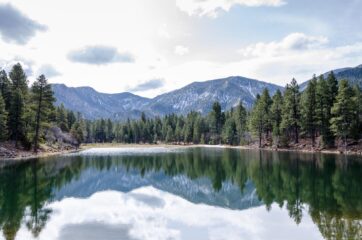
Backcountry hiking therapy offers adults in addiction recovery a structured, movement-based way to engage with treatment beyond traditional indoor settings. When used intentionally, outdoor therapy supports emotional regulation, presence, and reflection — skills that are essential for long-term recovery.
For many individuals, steady movement through natural environments creates space to slow down, regulate stress, and reconnect with internal cues. Hiking-based outdoor therapy allows recovery concepts such as patience, awareness, and intentional response to be practiced experientially rather than discussed abstractly. When integrated with clinical care, these experiences reinforce insight and support deeper engagement in the recovery process.
Importantly, backcountry hiking therapy is not about endurance, performance, or recreation. It is a therapeutic approach that uses nature and movement to complement evidence-informed addiction treatment and support whole-person healing.
Exploring Outdoor Therapy Through Hiking at Spirit Mountain Recovery
At Spirit Mountain Recovery, backcountry hiking therapy is incorporated into a comprehensive addiction treatment program designed specifically for adults. Located in Eden, Utah, Spirit Mountain combines clinical care, experiential therapies, and family-centered support within a mountain environment that encourages grounding and reflection.
Outdoor therapy through hiking is used intentionally to help clients practice emotional regulation, presence, and engagement alongside individual counseling and group therapy. This integrated approach supports recovery in a way that feels active, purposeful, and sustainable.
Learn more about Spirit Mountain Recovery’s experiential approach to addiction treatment and how backcountry hiking therapy may support your recovery journey.