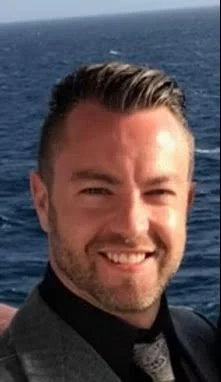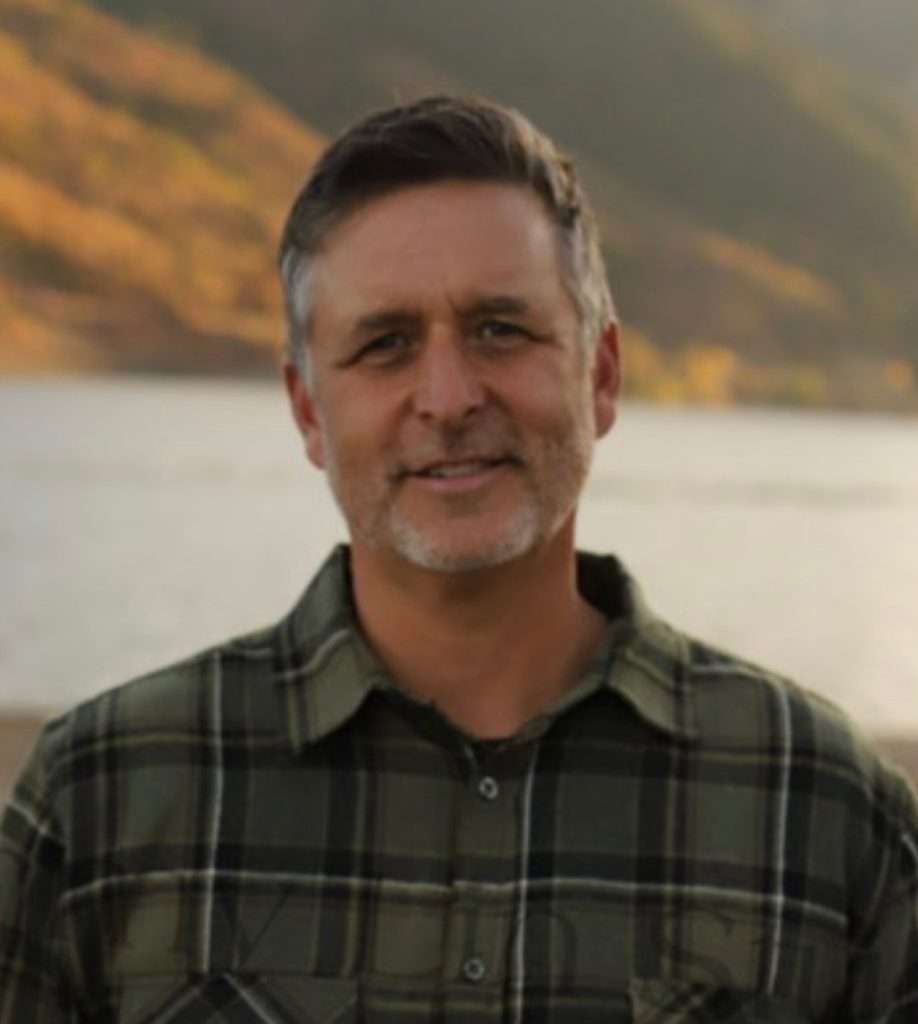
Clinically reviewed by Dan Phillips, LCMHC, Clinical Director at Spirit Mountain Recovery. Based on interviews recorded October 2026.
How outdoor challenges, therapeutic relationships, and evidence-based clinical care can help men build a life beyond addiction.
Most people picture rehabilitation as a room full of chairs, with clients sitting in a circle discussing their struggles. At Spirit Mountain Recovery, a men’s residential treatment program in Eden, Utah, some of the most meaningful therapeutic moments happen on a river, along a mountain trail, or on a climbing wall.
This is experiential therapy: an approach that uses purposeful activity and direct experience to help people recognize emotional patterns, practice new behaviors, and develop a deeper understanding of themselves. At Spirit Mountain, fly fishing, hiking, climbing, mountain biking, and community service complement individual therapy, group work, and trauma-focused treatment.
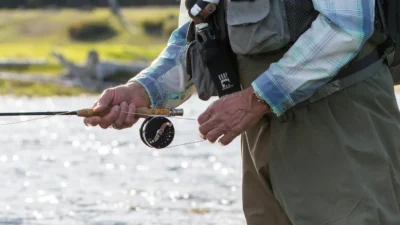
The underlying idea is straightforward: insight matters, but lasting change also requires opportunities to practice new ways of responding to life.
Dave Warton, Spirit Mountain’s Experiential Services Coordinator, describes the approach as moving from “inside” therapy to “boots on the ground.” Daniel Phillips, LCMHC, the program’s Clinical Director, sees the outdoors as a setting where clients can experience the concepts they discuss in treatment and begin applying them beyond the therapy room.
Together, their perspectives reflect an important principle of recovery: people need more than an understanding of why their lives have become unmanageable. They need opportunities to experience themselves differently, develop new coping strategies, and build confidence in their ability to make healthier choices.
What experiential therapy is—and what Spirit Mountain is not
Experiential therapy encompasses approaches that use structured activities, emotional engagement, and guided reflection to facilitate therapeutic change. Adventure therapy and nature-based interventions are related approaches that use outdoor environments, physical challenges, and contact with nature as part of the therapeutic process.
These terms are not interchangeable, and the research supporting them varies. Evidence for the mental health benefits of spending time in nature, for example, does not automatically establish that every outdoor activity is an effective addiction treatment. The clinical value depends on how the activity is structured, the needs of the individual, and how the experience is integrated into a broader treatment plan.
Spirit Mountain is not a wilderness expedition program. It is a residential treatment setting for adult men, with a home base, an on-site clinical team, and outdoor experiences integrated into a larger program of care. Experiential activities complement rather than replace psychotherapy and other clinically indicated services.
The program’s small residential setting also allows residents to develop relationships with peers and staff over time. Warton describes a group dynamic in which a healthy, supportive community can help a newcomer feel more comfortable and begin participating in recovery.
There is a clinically meaningful distinction here: peer support can encourage connection, accountability, and hope, but it is not a substitute for individualized assessment or professional care. The goal is to create an environment in which men can practice healthier ways of relating to themselves and others.
Why nature-based therapy can support recovery
Warton often describes nature as a source of feedback without judgment. A tree grows around an obstacle. A river continues downstream. A fish moves against the current. These observations provide opportunities to reflect on adaptation, persistence, and the possibility of moving forward without needing to prove one’s worth to anyone else.
For men who have spent years struggling with shame, perfectionism, defensiveness, or the consequences of addiction, these experiences can become useful starting points for therapeutic conversations.
Phillips approaches the same idea from a clinical perspective. After years working in mental health and wilderness-based treatment, he began integrating his clinical experience with his belief in the therapeutic potential of outdoor activities. At Spirit Mountain, he sees opportunities for clients to practice emotional regulation, tolerate discomfort, and recognize their capacity for change.
Research offers several reasons to take this approach seriously, while also reminding us to distinguish promising complementary interventions from established treatments for substance use disorders.
1. Nature can interrupt repetitive negative thinking
Depression and anxiety can involve repetitive patterns of thought. People may replay past mistakes, anticipate future threats, or become caught in self-critical narratives that make it difficult to engage with the present.
Outdoor experiences can provide a meaningful shift in attention. Following a trail, observing changing weather, casting a fishing line, or navigating uneven terrain requires a person to engage with what is happening now.
A landmark study by Bratman and colleagues (2015), published in Proceedings of the National Academy of Sciences, compared 90-minute walks in natural and urban environments. Participants who walked in nature reported reduced rumination and showed decreased activity in the subgenual prefrontal cortex, a brain region associated with repetitive negative thinking. The study involved healthy participants, so its findings should not be interpreted as proof that nature alone treats clinical depression or addiction. It does, however, provide a plausible scientific basis for exploring nature as a resource for psychological well-being.
More recent research has continued to investigate nature-based interventions for mental health. A 2025 systematic review and meta-analysis reported improvements in anxiety and depressive symptoms among people participating in nature-based health interventions, while also noting substantial variation in study methods and limitations in the certainty of the evidence.
For someone in recovery, the practical implication is that outdoor activity may offer a useful opportunity to interrupt rumination, reduce immediate stress, and practice attention to the present. Those experiences can complement, but do not replace, treatment that addresses the underlying psychological and behavioral processes associated with addiction.
2. Outdoor experiences can support emotional regulation and readiness for deeper therapy
Recovery often requires learning to tolerate emotions that a person previously attempted to escape through alcohol or other substances. Anxiety, shame, grief, anger, and fear can all become difficult to manage when a person’s established coping strategy has been substance use.
A structured outdoor activity offers opportunities to notice discomfort, regulate one’s response, and continue engaging without immediately avoiding the experience. A challenging hike, for example, can provide an opportunity to recognize frustration, ask for help, adjust expectations, or take a break rather than responding impulsively.
These are not merely metaphors. When activities are appropriately selected and followed by clinical reflection, they can provide opportunities to practice distress tolerance, flexible thinking, communication, and problem-solving in real time.
Phillips emphasizes that experiential work can help residents become more engaged before they move into deeper therapeutic material. Individual readiness, however, must guide the sequence of care. Outdoor activity does not itself establish readiness for trauma processing, and no single timeline is appropriate for every resident.
Eye Movement Desensitization and Reprocessing (EMDR) is an established trauma-focused psychotherapy for post-traumatic stress disorder (PTSD). It involves a structured clinical protocol, including preparation, identification of treatment targets, and therapist-guided trauma processing using bilateral stimulation. Walking, biking, and fishing may also involve alternating left-right movement, but these activities are not equivalent to EMDR and should not be described as providing the same therapeutic mechanism.
The U.S. Department of Veterans Affairs’ National Center for PTSD identifies EMDR as one of the evidence-supported trauma-focused psychotherapies for PTSD. Whether and when it is appropriate depends on the individual’s clinical presentation, treatment goals, and readiness. At Spirit Mountain, Phillips describes introducing formal EMDR after residents have achieved sufficient emotional stability to participate meaningfully in the work.
The broader principle is that stabilization, coping skills, therapeutic trust, and individualized assessment matter when preparing for trauma-focused treatment.
3. Movement and structured activity can complement addiction treatment
Substance use disorders affect more than the immediate desire to use a substance. They can disrupt sleep, physical health, daily routines, motivation, and engagement in rewarding activities that once gave life meaning.
Regular physical activity can help restore some of those foundations. Exercise may support cardiovascular health, mood, sleep, and a sense of personal accomplishment. It can also create opportunities for social connection and provide an alternative way to spend time previously organized around substance use.
Research on exercise as an adjunct to addiction treatment is promising. A 2023 systematic review by Piché and colleagues examined 43 studies involving 3,135 participants and found that many studies reported improvements in substance-use outcomes or physical fitness following physical activity interventions. The authors also emphasized the need for more rigorous research.
A 2025 meta-analysis by Carlson, Smith, and Strickland similarly found that exercise interventions were associated with improvements in substance-use outcomes across studies involving drugs other than nicotine. However, findings across the broader literature remain variable, and exercise should not be presented as a replacement for established addiction treatments.
At Spirit Mountain, activities such as hiking, mountain biking, and fly fishing provide a structured way to incorporate movement, accomplishment, and recreation into daily life. The goal is not simply to become more physically active. It is to help residents discover that enjoyment, connection, and satisfaction can develop through activities that support their recovery rather than undermine it.
4. Structure and reduced distraction can help people recognize their needs
Phillips frequently works with men who have difficulty sustaining attention, organizing daily responsibilities, or managing competing demands. Some residents also have ADHD or other conditions that affect executive functioning.
ADHD and substance use disorders can co-occur, but the relationship is complex. Research has documented elevated rates of ADHD among people receiving treatment for substance use disorders, although estimates vary by population and diagnostic method. A single prevalence figure should not be generalized to every treatment setting.
For people who struggle with attention or impulsivity, predictable routines, adequate sleep, movement, reduced distractions, and individualized clinical support may help make daily functioning more manageable. Time outdoors can offer a change of environment in which some residents find it easier to focus on one task at a time.
This should not be confused with a literal neurological “reset.” ADHD is a neurodevelopmental condition, and substance use recovery does not eliminate the need for appropriate assessment or treatment. Medication, behavioral interventions, and other supports may remain important when clinically indicated.
The aim is to help each resident identify the conditions under which he functions best and develop routines that can be maintained after residential treatment.
5. Recovery involves building new sources of reward and meaning
Addiction can gradually narrow a person’s life. Activities, relationships, and responsibilities that once provided satisfaction may become secondary to obtaining, using, or recovering from substances.
As substance use becomes increasingly central, the person may have fewer opportunities to experience pleasure, mastery, connection, and purpose through other parts of life.
Recovery therefore involves more than removing a harmful behavior. It also involves rebuilding a life that contains meaningful alternatives.
Physical activity can contribute to that process by creating opportunities for accomplishment, social engagement, and enjoyment. It may influence reward-related and stress-regulation systems, although the specific neurobiological mechanisms remain an active area of research.
Rather than claiming that exercise simply replaces the dopamine produced by addictive substances, it is more accurate to say that rewarding, healthy activities can help people broaden their sources of satisfaction and strengthen recovery-supportive routines.
At Spirit Mountain, a resident might discover that he enjoys fly fishing, hiking, cooking for a group, or helping a neighbor with a project. The activity itself matters, but so does the experience of developing an interest, following through, and discovering that life can offer satisfaction without substance use.
Getting past “I can’t”
One phrase Phillips repeatedly encounters in treatment is the belief that change is impossible: “I can’t because…”
Sometimes the statement reflects a genuine limitation. Other times, it reflects fear of failure, anticipated judgment, low confidence, or a long history of unsuccessful attempts to change.
The therapeutic task is not to dismiss those concerns or insist that every obstacle can be overcome through willpower. It is to help a person examine what is happening, identify realistic options, and take a manageable next step.
An outdoor activity can make this process concrete. A resident who believes he cannot complete a hike may discover that he can finish part of the route, take breaks, ask for assistance, or adjust his pace. The meaningful outcome is not necessarily completing the entire challenge. It may be learning that a perceived limitation can be explored without turning it into a judgment about his worth.
This is consistent with the psychological concept of self-efficacy: a person’s belief in his ability to carry out specific actions and influence outcomes. Successful experiences, particularly when they involve realistic goals and appropriate support, can strengthen that belief.
The experience becomes more therapeutically useful when it is followed by reflection. What did the resident expect would happen? What emotions arose? What helped him continue? Where did he need support? How might the same skills apply to an uncomfortable conversation, a job search, or rebuilding trust with a family member?
In this way, the activity becomes a setting for practicing skills that can transfer into everyday life.
Phillips also emphasizes the role of shame and fear in the lives of many men struggling with addiction. Some have learned to avoid vulnerability, conceal mistakes, or manage distress through substance use. A respectful therapeutic environment can help them examine those patterns without reducing their identity to their past behavior.
Outdoor activity is one possible entry point. Deeper change still requires individualized therapy, honest self-examination, and repeated practice over time.
Strength enough to ask for help
For some men, recovery challenges deeply held beliefs about masculinity, independence, and emotional expression. They may have learned that asking for help signals weakness or that difficult emotions should be handled privately.
Warton challenges that understanding by defining strength in terms of courage: the willingness to be honest, accept support, and reconsider defenses that are no longer working.
He uses the process of annealing metal as a metaphor. In metalworking, heating and controlled treatment can change a material’s properties. In recovery, he suggests, allowing oneself to become more emotionally open can create the conditions for a different kind of strength.
The metaphor resonates with a central therapeutic goal: helping men understand that vulnerability and accountability can coexist with resilience.
At Spirit Mountain, residents are encouraged to express appreciation, offer encouragement, and build relationships in which emotions can be discussed openly. Such experiences may challenge the isolation that often accompanies addiction and give residents opportunities to practice connection in a supportive setting.
The goal is not to prescribe a single way of being a man. It is to help each person identify which beliefs and behaviors support his well-being and which interfere with his ability to live according to his values.
Service is another part of that process. Addiction can damage relationships and leave people feeling disconnected from their communities. Participating in community projects, helping neighbors, or contributing to shared responsibilities can provide opportunities to practice reliability and usefulness.
These experiences do not erase past harm, and they are not substitutes for making amends where appropriate. They can, however, help residents begin building a more constructive relationship with their communities and with themselves.
A recovery environment that combines professional treatment, peer connection, meaningful responsibility, and opportunities for service can support the development of a life that extends beyond avoiding substances.
Why the treatment environment matters
The people surrounding someone in recovery can influence whether new behaviors are practiced, reinforced, and sustained. A residential setting provides structure and repeated opportunities to work on interpersonal skills while receiving support from clinical staff and peers.
At Spirit Mountain, the team includes people with varied professional and personal experiences, including individuals who understand recovery firsthand. When shared appropriately, these experiences can foster hope and help residents recognize that meaningful change is possible.
Personal experience alone does not establish clinical effectiveness, but it can contribute to empathy, rapport, and a sense of connection when paired with appropriate training and professional boundaries.
The program’s broader philosophy is that sobriety is foundational, but recovery also involves rebuilding physical health, emotional stability, relationships, and purpose.
For one resident, that may mean discovering a passion for fly fishing. For another, it may mean learning to cook, returning to exercise, reconnecting with family, or developing the confidence to pursue meaningful work.
The particular activity is less important than what the person learns through it and how that learning is integrated into a sustainable recovery plan.
Why treatment duration and continuity of care matter
Meaningful change takes time. People entering residential treatment may need to address acute substance-related concerns, stabilize daily routines, develop coping skills, examine longstanding behavioral patterns, and prepare for the challenges of returning home.
The sequence and pace of this work vary. A person with significant medical needs, co-occurring mental health conditions, or an unstable living environment may require a different plan from someone with fewer complications.
The National Institute on Drug Abuse (NIDA) has emphasized that treatment duration matters and that, for many people, treatment lasting less than 90 days has limited effectiveness. This guidance supports the importance of adequate treatment exposure, but it should not be interpreted as a universal rule that every person requires exactly 90 days of residential care. Treatment duration should reflect individual needs, progress, risks, and available continuing care.
At Spirit Mountain, Phillips recommends considering a longer treatment period when clinically appropriate. The program describes its work in broad phases:
- Days 0–30: Stabilization and engagement. The initial focus is on safety, assessment, adjustment to the treatment environment, and establishing routines that support physical and emotional health. Residents begin building relationships with staff and peers while learning how substance use has affected their lives.
- Days 30–60: Deeper therapeutic work. As clinically appropriate, treatment can focus more intensively on emotional regulation, interpersonal patterns, coping strategies, and the psychological factors associated with substance use. Trauma-focused treatment may be considered when indicated and when the resident is prepared to participate.
- Days 60–90: Practice and application. Residents have more opportunities to apply therapeutic skills to real-life challenges, strengthen accountability, and prepare for the transition out of residential care. Treatment planning considers the supports and vulnerabilities they are likely to encounter after discharge.
- After residential treatment: Continuing care. Recovery does not end at discharge. Depending on clinical needs, step-down services may include intensive outpatient treatment, outpatient therapy, medication management, peer recovery support, sober living, or other appropriate services.
The important principle is continuity. New skills need opportunities to be practiced in everyday settings, and ongoing support can help individuals navigate setbacks without abandoning their recovery goals.
A longer residential stay is not, by itself, a guarantee of success. Treatment engagement, clinical quality, individual needs, and continuity of care all matter.
You do not have to be an athlete
One concern families may have is that experiential therapy sounds like an intensive outdoor program designed for physically fit people. That is not the objective.
Phillips emphasizes adapting activities to the individual. The goal is not to prove physical toughness or compare residents against one another. It is to create meaningful opportunities for participation, challenge, and discovery within each person’s abilities.
For one resident, that might mean hiking a mountain trail. For another, it could mean walking beside a pond, learning to fish, preparing a meal for the group, or contributing to a community project.
Age, disability, medical concerns, and varying levels of physical fitness should inform activity selection. Appropriate modifications allow more people to participate while preserving the therapeutic purpose of the experience.
Warton also encourages stronger or faster residents to “lead from the back.” Rather than measuring success by who finishes first, the group learns to support the participation and progress of everyone involved.
This approach shifts the emphasis from competition to connection, from performance to participation, and from proving personal strength to practicing mutual responsibility.
Spirit Mountain Recovery offers men’s residential treatment and step-down services in Eden, Utah. Prospective residents and families can contact the program to discuss treatment options, clinical needs, and coverage.
Take the next honest step
Recovery rarely unfolds through one dramatic breakthrough. More often, it develops through a series of decisions: asking for help, tolerating an uncomfortable emotion, following through on a commitment, accepting accountability, or choosing a healthier response when an old pattern reappears.
Experiential therapy can provide opportunities to practice those decisions in concrete, memorable ways. Nature, physical activity, and shared challenges may help people reconnect with the present, build confidence, and discover sources of meaning that substance use has displaced.
The research supports the potential benefits of nature exposure and physical activity for aspects of mental health and recovery. It does not establish outdoor experiences as a stand-alone cure for addiction. Their value is greatest when they are thoughtfully integrated with appropriate clinical treatment and ongoing support.
At Spirit Mountain Recovery, the intention is to help men move beyond the question, “What is wrong with me?” toward a more constructive one: “What can I do next?”
That next step may happen on a trail, in a therapy session, in a conversation with a loved one, or in the quiet decision to follow through on a commitment.
The destination is not simply sobriety. It is a more stable, connected, and meaningful life.
Contact admissions or call to start the conversation. The first step up the wall is the hard one. Everything after it gets easier.